


Description
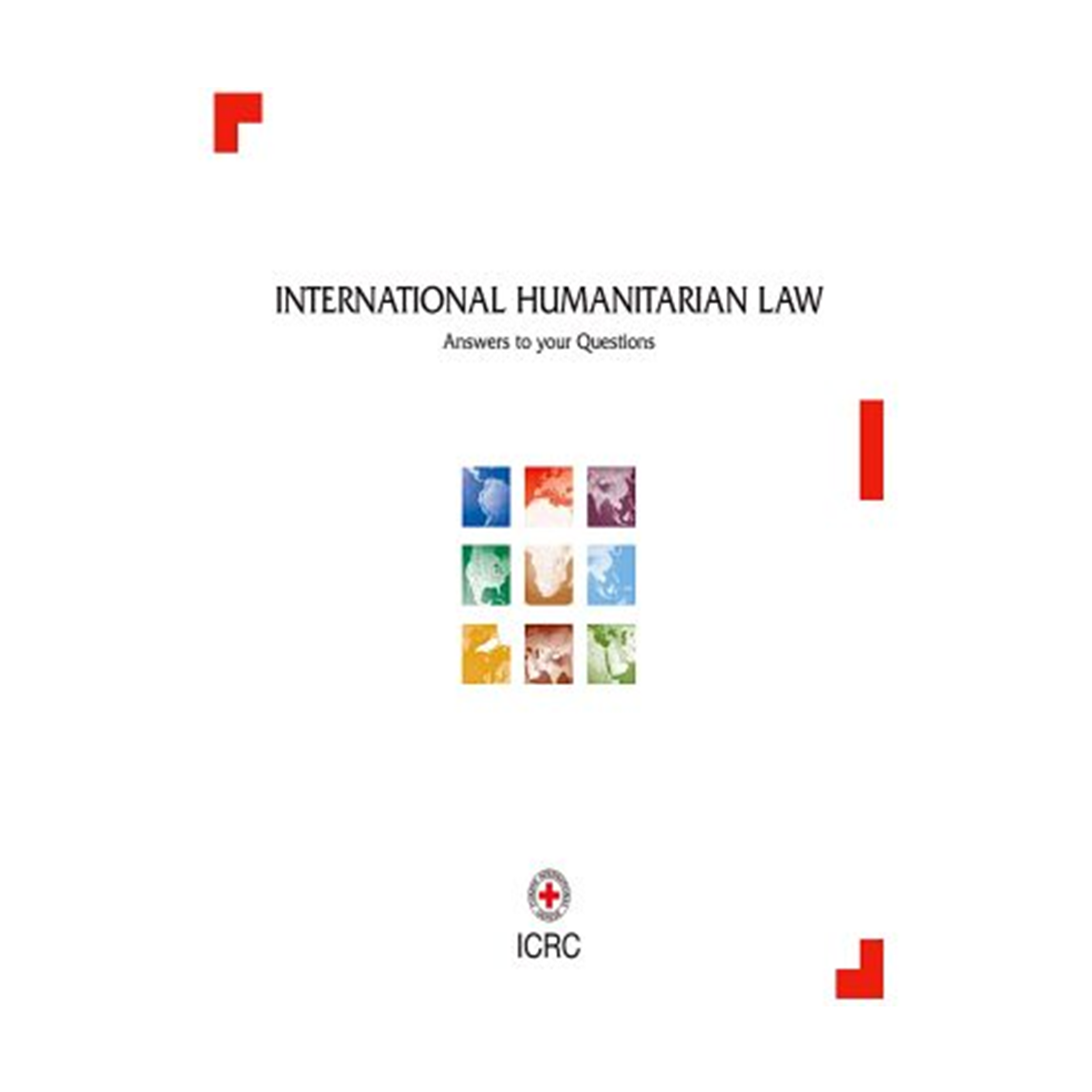
International Humanitarian Law: ICRC
International Humanitarian Law (IHL), developed and promoted by the International Committee of the Red Cross (ICRC), provides a legal framework for protecting people during armed conflicts. It aims to reduce human suffering while balancing humanitarian concerns with legitimate military necessities. The ICRC plays a central role in promoting knowledge, implementation, and respect for IHL around the world.
Understanding International Humanitarian Law
IHL applies during armed conflicts and regulates how parties conduct hostilities. It protects civilians, wounded and sick combatants, prisoners of war, and other people who no longer take part in fighting. The Geneva Conventions and their Additional Protocols form the foundation of modern IHL.
Protection of Civilians
One of IHL’s most important principles protects civilians from the effects of armed conflict. Parties must distinguish between civilians and combatants and between civilian objects and military objectives. IHL prohibits deliberate attacks against civilians and restricts attacks that may cause excessive civilian harm.
Treatment of Detainees and Wounded
IHL also establishes rules for the humane treatment of detainees and prisoners of war. It prohibits torture, cruel treatment, humiliating acts, and other forms of abuse. The rules also require parties to care for wounded and sick people without discrimination.
Important Features of the Book
- Explains the fundamental principles of international humanitarian law.
- Introduces the Geneva Conventions and their Additional Protocols.
- Discusses the protection of civilians during armed conflicts.
- Explains rules concerning prisoners of war and detainees.
- Covers the treatment of wounded and sick persons.
- Examines the principle of distinction and proportionality.
- Explains restrictions on methods and means of warfare.
- Highlights the role of the ICRC in promoting compliance with IHL.
- Introduces humanitarian protection during international and non-international armed conflicts.
- Helps readers understand the relationship between IHL and international law.
Why This Book Matters
Useful for Students and Researchers
This resource provides valuable guidance for students of international relations, political science, law, security studies, and humanitarian affairs. It also helps researchers understand the legal and ethical challenges that arise during armed conflicts.
Practical Humanitarian Relevance
IHL remains essential whenever armed conflict threatens human life and dignity. By explaining its core principles and protections, the ICRC helps governments, armed forces, humanitarian organizations, and the wider public understand their responsibilities under international law.
Conclusion
International Humanitarian Law: ICRC offers an important foundation for understanding the rules that govern armed conflict. Its focus on civilian protection, humane treatment, and limits on warfare makes it highly relevant for anyone studying international law, conflict management, human rights, or humanitarian action.
Download Now