

Description
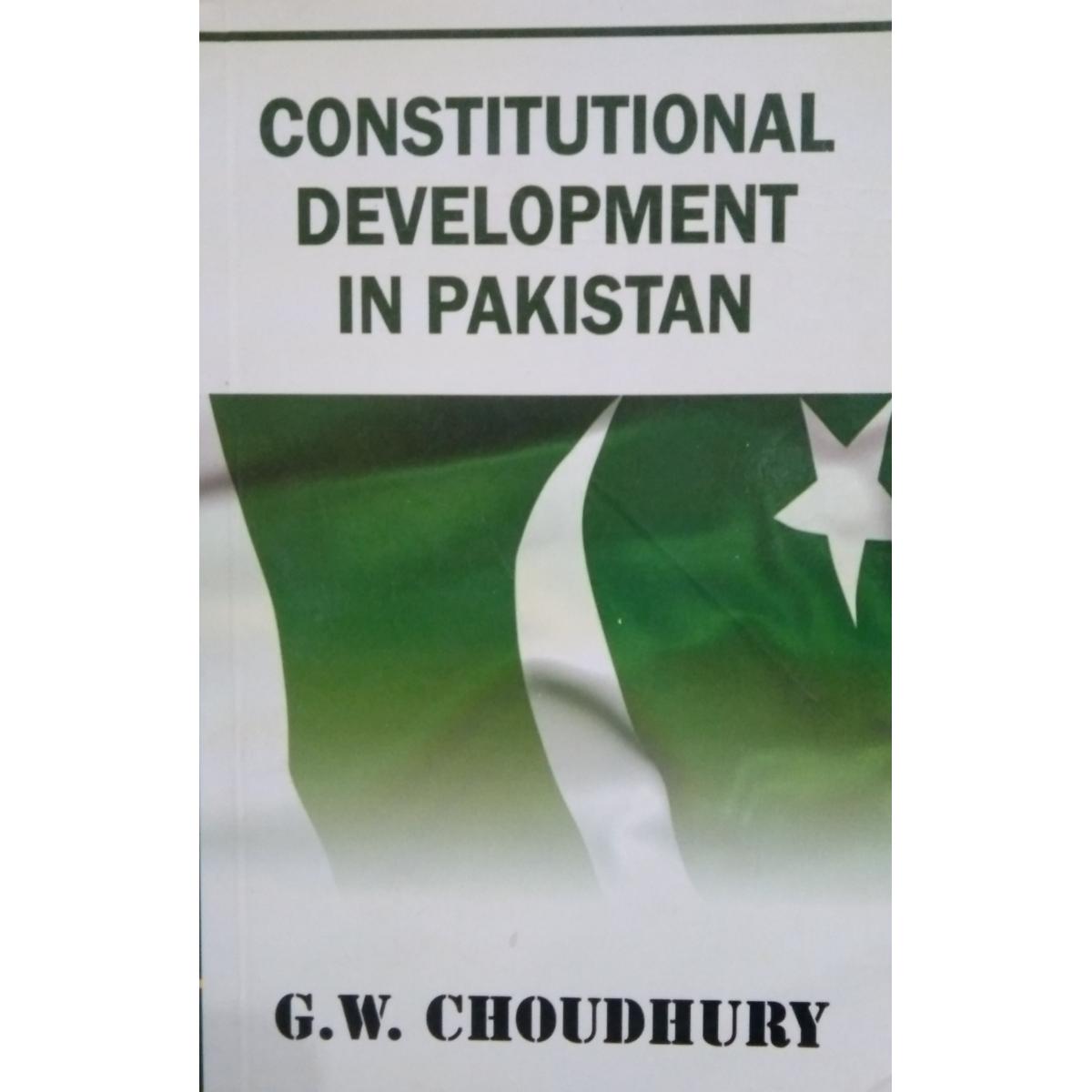
Constitutional Development in Pakistan By G.W. Choudhury
Constitutional Development in Pakistan By G.W. Choudhury offers a detailed examination of Pakistan’s constitutional and political evolution. The book helps readers understand how political institutions, constitutional principles, leadership, and historical events shaped the country’s early political system. It remains useful for students of Pakistan Affairs, Political Science, and constitutional history.
Overview of the Book
G.W. Choudhury examines Pakistan’s constitutional development within its broader political and historical context. He discusses the challenges that emerged after independence and explains how political leaders and institutions responded to those challenges.
The book connects constitutional changes with major political developments. It helps readers understand why Pakistan struggled to establish a stable constitutional framework during its formative years. Constitutional Development in Pakistan By G.W. Choudhury
Constitutional Evolution in Pakistan
Pakistan inherited several administrative and legal institutions at independence, but the new state needed to develop a constitutional structure suited to its political and social conditions.
Early Constitutional Challenges
The early years brought several challenges, including the distribution of political power, relations between the central and provincial governments, and debates over the nature of the state. These issues influenced the process of constitution-making.
The Constitution of 1956
The Constitution of 1956 established Pakistan as an Islamic republic and introduced a parliamentary system. Choudhury discusses the political circumstances surrounding its development and the factors that affected its implementation.
The Constitution of 1962
The Constitution of 1962 introduced a presidential system and significantly changed the relationship between political institutions. The book examines the political environment that produced this constitutional framework.
Important Features of the Book
- Explains Pakistan’s constitutional evolution in historical context.
- Examines major constitutional developments after independence.
- Discusses the role of political institutions and leadership.
- Covers important constitutional frameworks and political transitions.
- Connects constitutional changes with wider political events.
- Helps readers understand Pakistan’s early constitutional challenges.
- Provides useful background for Pakistan Affairs and Political Science.
Why This Book Matters
For CSS and Competitive Exams
Students preparing for CSS and other competitive examinations can use the book to develop a stronger understanding of Pakistan’s constitutional history. Its historical approach helps readers connect constitutional developments with important political events.
For Students and Researchers
The book also provides a useful foundation for academic study. Readers can use its discussion of institutions, constitutional changes, and political developments to explore Pakistan’s political evolution in greater depth.
Conclusion
Constitutional Development in Pakistan provides valuable insight into the country’s constitutional journey. G.W. Choudhury presents constitutional change alongside political developments, helping readers understand the complex factors that shaped Pakistan’s institutional evolution. The book remains a useful resource for anyone studying Pakistan’s constitutional and political history. Constitutional Development in Pakistan By G.W. Choudhury
DOWNLOAD NOW