

Description
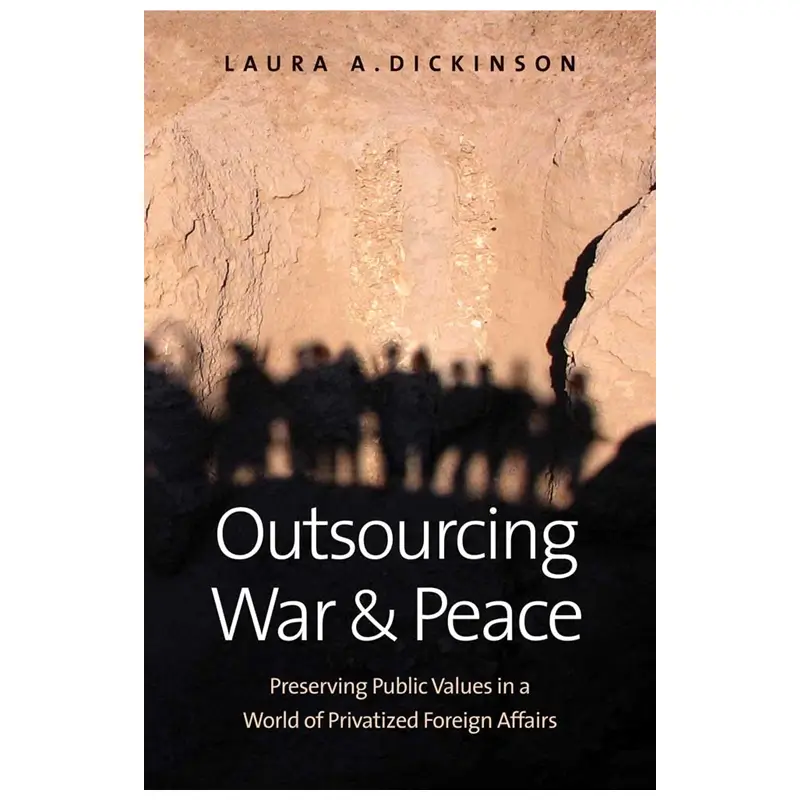
Outsourcing War and Peace: Preserving Public Values in a World of Privatized Foreign Affairs
Outsourcing War and Peace: Preserving Public Values in a World of Privatized Foreign Affairs Outsourcing War and Peace: Preserving Public Values in a World of Privatized Foreign Affairs examines how private actors increasingly influence diplomacy, security, conflict management, and international policy. Governments now rely on private military companies, contractors, consultants, technology firms, humanitarian organizations, and other non-state actors. Consequently, the traditional boundaries between public authority and private enterprise continue to blur.
Moreover, privatization can provide specialized expertise, flexibility, and rapid operational support. However, foreign affairs involve public interests that extend beyond efficiency and profit. Therefore, governments must ensure that private participation does not weaken accountability, transparency, democratic oversight, or respect for international law.
The Growing Privatization of Foreign Affairs
Modern states increasingly outsource functions that once remained under direct government control. For example, private companies may provide logistics, intelligence support, cybersecurity, security services, reconstruction assistance, and strategic advice. Furthermore, technology corporations now control platforms and infrastructure that influence communication across borders.
Opportunities and Emerging Risks
Private actors can contribute valuable resources and technical knowledge. Similarly, they can respond quickly during emergencies and complex international operations. Nevertheless, their commercial objectives may differ from broader public priorities. As a result, governments must clearly define responsibilities and establish effective oversight.
In addition, privatized activities can complicate questions of legal responsibility. Who answers when a contractor violates established standards? Likewise, who protects public interests when confidential information enters private networks? Therefore, strong legal frameworks and transparent contracts remain essential.
Preserving Public Values
Public values should guide decisions involving war and peace. First, governments must maintain democratic control over major foreign policy choices. Second, they should protect human rights and follow international legal obligations. Moreover, citizens deserve access to reliable information about how governments use private actors.
Accountability and Democratic Oversight
Effective oversight requires clear rules, independent monitoring, and meaningful consequences for misconduct. Consequently, governments should establish transparent procurement systems and regular reporting mechanisms. Additionally, legislatures, courts, and relevant oversight bodies can examine major contracts and security arrangements.
However, secrecy often surrounds national security and foreign affairs. Therefore, governments must balance legitimate security requirements with democratic accountability. Meanwhile, private organizations should follow clear ethical standards and remain subject to enforceable legal responsibilities.
Important Features
- Examines the privatization of foreign affairs
- Explores the role of private military companies
- Discusses contractors and security services
- Highlights technology companies in global affairs
- Focuses on public accountability
- Emphasizes democratic oversight
- Addresses transparency and ethical responsibility
- Examines legal challenges in outsourced operations
- Discusses human rights and international law
- Explores the balance between efficiency and public values
Ultimately, the changing nature of global affairs requires governments to adapt without surrendering public responsibility. Although private expertise can strengthen international operations, public institutions must retain control over fundamental decisions. Thus, accountability, transparency, legality, and democratic values must remain central as states navigate an increasingly privatized world.
Download Now