


Description
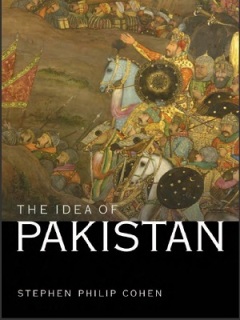
The Idea of Pakistan by Stephen Philip Cohen
The Idea of Pakistan by Stephen Philip Cohen presents a detailed study of Pakistan’s political development, national identity, security concerns, and relations with the wider world. Stephen Philip Cohen, a prominent scholar of South Asian politics, examines the forces that shaped Pakistan from its creation in 1947 to its modern political challenges. The book offers valuable background for students, researchers, and candidates preparing for CSS and PMS examinations.
Understanding Pakistan’s Formation
Historical and Political Background
Cohen explores the historical circumstances that led to the creation of Pakistan and explains how political developments influenced the country’s early institutions. He discusses the role of the Pakistan Movement, leadership, military influence, political parties, and constitutional development. The book connects historical events with the political challenges that Pakistan continues to face.
Pakistan’s National Identity
The author examines the complex idea of Pakistani identity and the factors that influence national unity. He discusses Islam, regional identities, political institutions, and social divisions while explaining how these elements interact within the Pakistani state. His analysis helps readers understand debates surrounding Pakistan’s political and national character.
Pakistan’s Security and Foreign Relations
Military and Strategic Importance
Cohen gives significant attention to Pakistan’s security concerns and the important role of the military in national affairs. He examines Pakistan’s strategic position, relations with India, and the country’s broader security environment. The discussion provides useful insight into Pakistan’s defense policies and regional challenges.
Relations with Major Powers
The book also explores Pakistan’s relationships with major international powers, particularly the United States and China. Cohen explains how strategic interests, regional conflicts, and changing global politics have influenced Pakistan’s foreign policy.
Important Features of the Book
- Detailed analysis of Pakistan’s political development
- Historical background of the creation of Pakistan
- Discussion of Pakistani national identity
- Analysis of civil-military relations
- Examination of Pakistan’s security challenges
- Insight into Pakistan-India relations
- Discussion of Pakistan’s relations with major powers
- Useful perspectives for Pakistan Affairs preparation
- Helpful for CSS, PMS, and university students
Relevance for CSS and PMS
The Idea of Pakistan provides analytical material for Pakistan Affairs, Current Affairs, International Relations, and Political Science. Its historical and strategic perspective helps students develop stronger arguments and improve their understanding of Pakistan’s political and international challenges. The book can also support essay preparation by providing context and analytical viewpoints on major national issues.
Overall, The Idea of Pakistan by Stephen Philip Cohen offers an informative and analytical perspective on Pakistan’s history, identity, politics, security, and international relations. It serves as a valuable reference for students who want to understand Pakistan beyond basic historical facts.





Reviews
There are no reviews yet.